
Key Takeaways
- Anxiety disorder symptoms show up as both physical and emotional signs, and the physical ones often get missed entirely.
- Some worry is normal. An anxiety disorder is different: it’s harder to control, out of proportion to the situation, and it gets in the way of daily life.
- There are several types of anxiety disorders, and they don’t all look the same.
- Treatment works. Most people improve with therapy, medication, or a combination of both.
- Getting evaluated earlier tends to make anxiety easier to manage long-term.
You’re sitting in a meeting that’s going fine, and your heart is pounding like you just ran up a flight of stairs. Or you’re lying in bed at 1 a.m., replaying a conversation from three days ago that nobody else even remembers. Anxiety disorder symptoms don’t always look like worry. Sometimes they look like your body doing something your mind can’t explain.
That gap between what you’re feeling and what’s actually happening is usually the first clue. This post covers what anxiety can actually feel like, what sets an anxiety disorder apart from regular stress, and what getting help looks like.
Normal Worry vs. an Anxiety Disorder
Everyone gets anxious sometimes. A big presentation, a first date, a late bill. That kind of anxiety has a job to do: it keeps you alert and sharpens your focus.
An anxiety disorder is a different animal. A few things usually set it apart:
- It’s hard to control, even when you know the worry doesn’t make sense
- It’s out of proportion to what’s actually going on
- It gets in the way of work, sleep, relationships, or things you’d normally enjoy
- It sticks around, rather than fading once the stressful event passes
If that sounds familiar, you’re not overreacting. You’re describing something real.
Physical Symptoms of Anxiety
This is the part most people don’t connect to anxiety at first. A racing heart feels like a heart problem. A tight chest feels like something’s wrong with your lungs. Anxiety doesn’t always announce itself as worry. Often, it shows up in the body first.
Common physical symptoms include:
- A pounding or racing heart
- Shortness of breath or a tight chest
- Nausea or an upset stomach
- Sweating, or cold, clammy hands
- Dizziness or lightheadedness
- Muscle tension, especially in the neck and shoulders
- Headaches
- Tingling or numbness in the hands or feet
- Trouble falling or staying asleep
One important note: new or severe chest pain, fainting, or real trouble breathing shouldn’t automatically be written off as anxiety. Those symptoms deserve a medical evaluation first, since several conditions can mimic each other. A good provider will help rule out what else might be going on before settling on an anxiety diagnosis.
Emotional and Behavioral Symptoms
Alongside the physical symptoms, there’s usually an emotional layer too:
- Constant or excessive worry, often about things that feel small from the outside
- Feeling on edge or easily irritated
- A sense of dread that doesn’t have a clear cause
- Trouble concentrating, or your mind going blank
- Avoiding situations, people, or tasks that trigger your anxiety
- Needing frequent reassurance from others
- Restlessness, or a feeling of being keyed up
Avoidance is one of the sneakier signs. If you’ve started skipping things, a phone call, a social event, an email you keep leaving unread, because the anxiety around them feels like too much, that’s worth paying attention to.
Types of Anxiety Disorders
Anxiety disorder isn’t one single thing. It’s a category that covers several related conditions, and they don’t all look the same.
| Type | What it looks like |
|---|---|
| Generalized anxiety disorder (GAD) | Ongoing, excessive worry about everyday things like work, health, or finances |
| Panic disorder | Sudden, intense panic attacks that can happen without warning |
| Social anxiety disorder | Intense fear of being judged or watched by others in social situations |
| Specific phobias | Severe fear of a specific thing or situation, like heights or flying |
| Agoraphobia | Fear of being somewhere escape feels difficult, often leading to avoiding public places |
| Separation anxiety disorder | Excessive anxiety when separated from a loved one, in both children and adults |
| Selective mutism | Difficulty speaking in certain situations due to anxiety, most common in children |
Conditions like OCD and PTSD share some overlap with anxiety but are classified separately. If your symptoms involve intrusive thoughts and compulsions, or they trace back to a specific traumatic event, mention that directly at your evaluation. It helps your provider point you toward the right treatment faster.
What Causes Anxiety Disorders?
There’s rarely one single cause. Anxiety usually comes from a mix of:
- Genetics. Anxiety disorders tend to run in families, so a parent or sibling with anxiety raises your own risk somewhat.
- Biology. Certain brain regions and neurotransmitters play a role in how your body responds to fear and stress.
- Environment and life experience. Chronic stress, major life changes, and trauma can all contribute, especially when they build up over time.
It’s rarely as simple as “a chemical imbalance.” It’s more accurate to think of it as several factors stacking on top of each other.
When Anxiety Needs Professional Help

Consider reaching out if:
- Your symptoms are getting in the way of work, school, or relationships
- You’re avoiding more and more situations because of how they make you feel
- Sleep has become a regular struggle
- The worry feels impossible to control, no matter how hard you try
- You’ve been managing on your own for a while and it’s not getting easier
If anxiety has ever brought on thoughts of suicide or self-harm, please reach out right away. You can call or text 988 to reach the Suicide and Crisis Lifeline, free and confidential, any time.
What Happens If Anxiety Goes Untreated?
Anxiety rarely stays in one lane. Left unaddressed, it tends to spread into other parts of life: relationships get strained by constant reassurance-seeking or avoidance, sleep quality drops, and work or school performance can slip. Over time, untreated anxiety also raises the risk of depression and, for some people, leaning on alcohol or other substances to cope.
None of that means anxiety is a life sentence. It means waiting usually makes it harder to treat, not easier. The earlier you get support, the more manageable it tends to be.
Living With Anxiety: Everyday Habits That Help
Treatment is the main driver of real improvement, but a few habits can support it:
- Cutting back on caffeine, which can intensify physical symptoms like a racing heart
- Keeping a consistent sleep schedule
- Regular movement or exercise, even something as simple as a daily walk
- Practicing grounding techniques, like slow breathing, when anxiety spikes
- Talking about what you’re experiencing instead of carrying it alone
These aren’t a substitute for treatment. Think of them as scaffolding that makes treatment work better.
What an Anxiety Evaluation at TP Health Actually Looks Like
Here’s where a lot of anxiety articles stop short. They’ll tell you the symptoms, the causes, maybe the treatment types, then leave you to figure out the actual next step on your own. So let’s walk through what happens once you decide to come in.
Getting started
Your first appointment isn’t a rushed checklist. We start by talking through what you’ve been experiencing, how long it’s been going on, and how it’s been affecting your sleep, work, and day-to-day life. If you’ve had anxiety symptoms for years or they just started recently, both matter, and both get covered.
The evaluation itself
We’ll go through your mental health background and your general medical history together, since anxiety can sometimes overlap with or be mistaken for a physical condition. This is also where we talk about any symptoms that need ruling out first, rather than assuming everything is anxiety from the start.
Building your plan
No two anxiety treatment plans at TP Health look identical. For some patients, that means therapy. For others, it’s medication management. For many, it’s both, working together. Your provider will walk you through the options and the reasoning behind the recommendation, not just hand you a prescription and send you off.
Staying Connected
If your plan includes both psychiatry and therapy, those two sides of your care aren’t operating in silos. Your psychiatry and therapy providers coordinate directly, so your treatment stays aligned instead of you having to repeat your story at every visit. Follow-up appointments let your plan adjust as you improve or as things change.
This is the part most hospital-system articles can’t offer you, because they’re explaining anxiety in general. We’re telling you what actually happens when you walk through our door.
Treatment Options for Anxiety
Therapy
Cognitive behavioral therapy (CBT) is the most common approach for anxiety. It helps you recognize the thought patterns driving your anxiety and build new ways of responding to them. Exposure therapy, where you’re gradually and safely exposed to what triggers your anxiety, can also help, particularly for phobias and panic disorder.
Medication
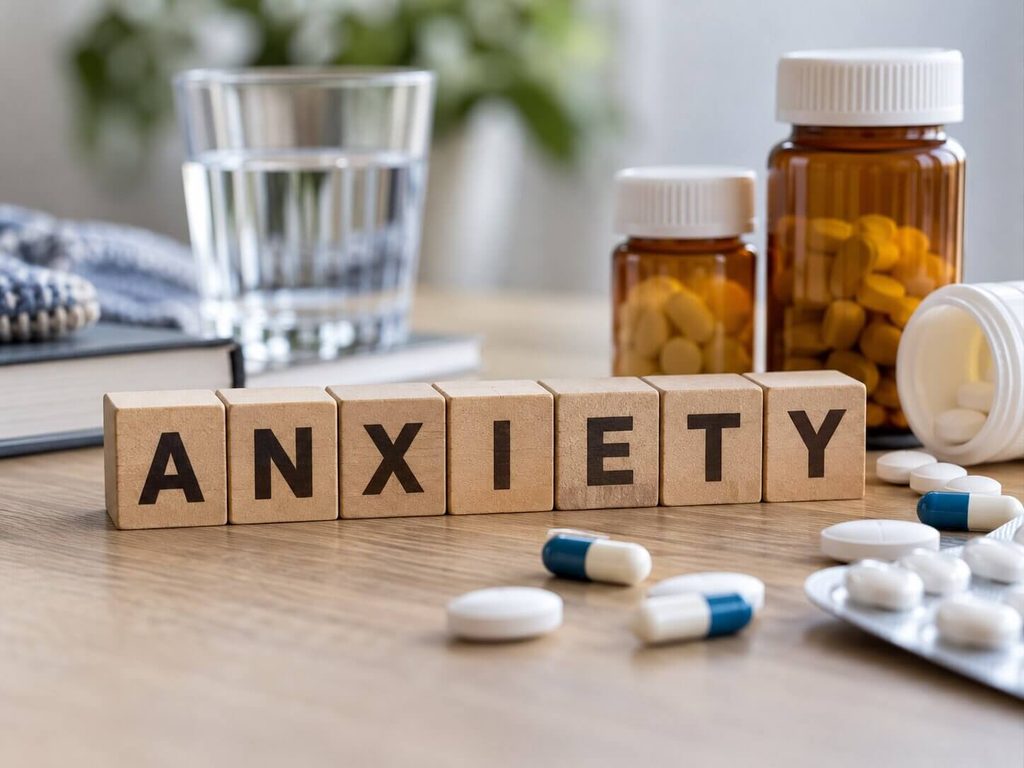
SSRIs and SNRIs are usually the first medications considered for ongoing anxiety treatment. They take time to build up in your system, so patience matters here. Benzodiazepines are sometimes used short-term for more severe symptoms, but they carry a risk of tolerance and dependence, so they’re used carefully and typically not as a long-term solution. Buspirone is another option some providers consider.
Finding the Right Combination
Some people do well with therapy alone. Others need medication. Many land somewhere in between, using both together. There’s no universal answer, which is exactly why a real evaluation matters more than a generic treatment list.
Getting Anxiety Treatment in Missouri City, TX
If anxiety has been running the show for longer than you’d like to admit, you don’t have to keep managing it solo. TP Health’s anxiety treatment program in Missouri City combines psychiatric evaluation, medication management when it’s appropriate, and coordinated therapy support, all under one roof.
Ready to talk to someone? Book an appointment and let’s figure out your next step together.
This information is for educational purposes only and doesn’t replace professional medical advice. If you’re experiencing severe or unusual symptoms, seek medical care.
FAQs
1. What’s the difference between normal worry and an anxiety disorder?
Normal worry fades once the stressful situation passes. An anxiety disorder is harder to control, feels out of proportion to what’s actually happening, and interferes with daily life.
2. Can anxiety cause physical symptoms like chest pain or nausea?
Yes. Anxiety can cause a racing heart, chest tightness, nausea, dizziness, and more. That said, new or severe chest pain should always be checked by a provider to rule out other causes first.
3. Is anxiety the same as a panic attack?
Not quite. Anxiety is an ongoing pattern, while a panic attack is a sudden, intense episode of fear with physical symptoms. Panic attacks can happen on their own or as part of panic disorder.
4. Can anxiety improve without medication?
Yes, for many people. Mild to moderate anxiety often responds well to therapy alone, especially CBT. Whether medication is needed depends on your symptoms, their severity, and your personal preferences.
5. How long does anxiety treatment take to work?
It varies. Therapy often shows gradual improvement over weeks to months. Medication, if prescribed, can take several weeks to reach its full effect.
6. Can anxiety be cured?
For many people, anxiety becomes very manageable with treatment, even if it doesn’t disappear completely. The goal is usually to reduce symptoms enough that they stop running your life.
7. Should I see a psychiatrist or a therapist for anxiety?
Either is a reasonable place to start. A psychiatrist can evaluate whether medication might help, while a therapist focuses on talk-based treatment. Many patients benefit from both, which is why coordinated care between the two matters.
